Hotels in Tokyo
Tokyo is Japan's capital, a city of 23 wards that stretches from the traditional temple streets of Asakusa to the glass towers of Shinjuku and Marunouchi. Two airports serve it, Haneda close to the center and Narita further out in Chiba, both connected to the city by direct train lines. Hotel districts split roughly between business towers near Tokyo Station and Toranomon and residential, garden-set properties further out in Bunkyo.
Tokyo rewards visitors who split their stay across more than one neighborhood rather than basing themselves in a single district for the whole trip. Shinjuku and Shibuya cover nightlife, shopping and the busiest train interchanges; Ginza and Marunouchi lean toward department stores and business hotels near Tokyo Station; Asakusa keeps the closest thing to old Tokyo, with Senso-ji temple and traditional shopping streets; and quieter wards like Bunkyo hold gardens and historic estates a short subway ride from the center. The JR Yamanote line loops through most of these areas, while Tokyo Metro and Toei lines fill in the rest, and a Suica or Pasmo IC card covers both systems plus buses and convenience stores. Weather shapes the trip as much as geography: cherry blossoms draw crowds in late March, August brings heat and humidity that push most travelers toward indoor activities, and winter stays cold but often dry and sunny.
Tokyo in numbers
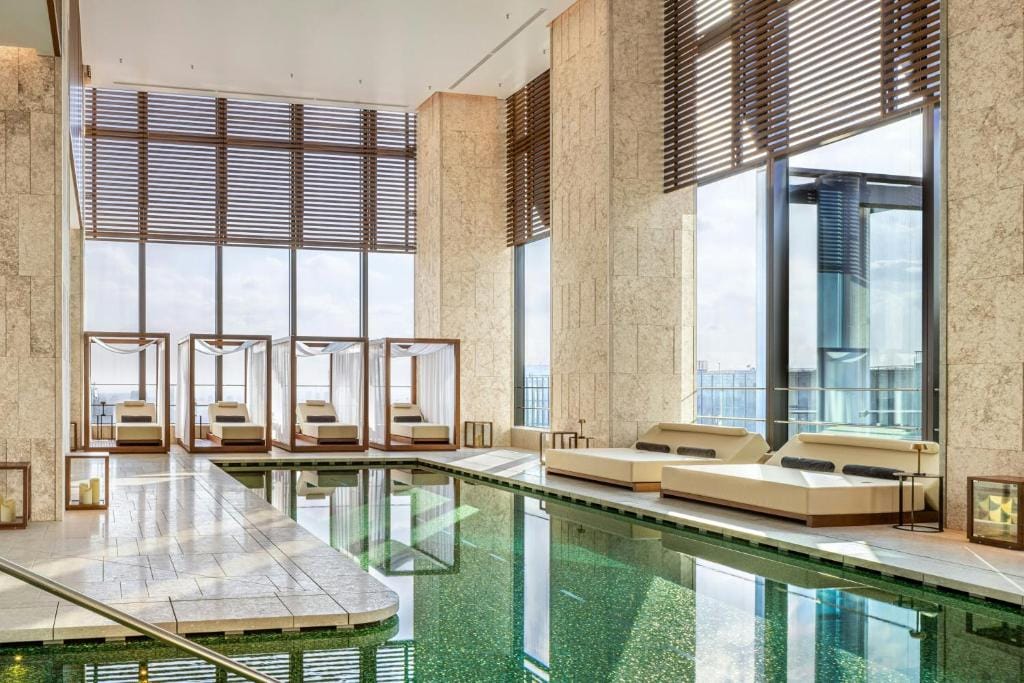 Indoor pool
Bvlgari Hotel Tokyo
Luxury rooms, a swimming pool with a view, and exceptional spa facilities
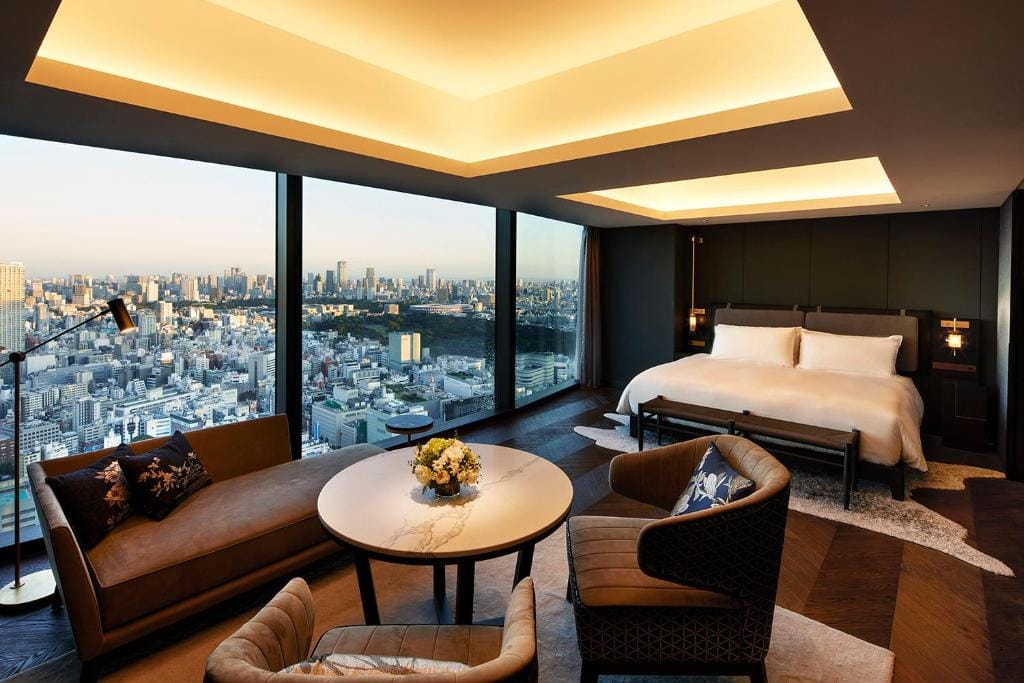 Adults-only pool
BELLUSTAR TOKYO, A Pan Pacific Hotel
City-centre luxury with an adults-only pool and panoramic Tokyo views
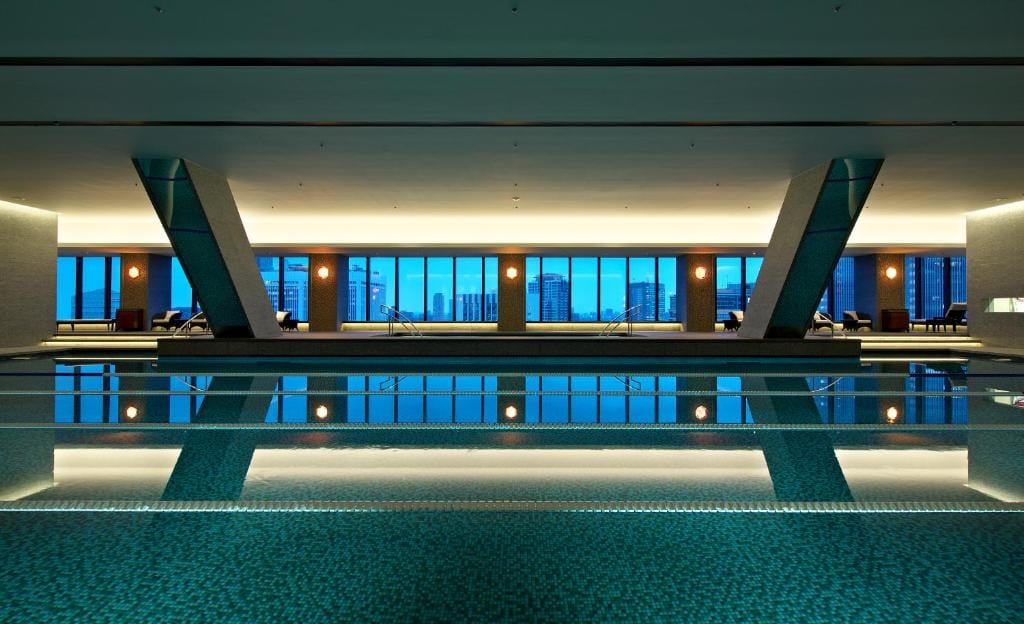 Spa / thermal pool
The Okura Tokyo
Luxury stay with spa pool, jacuzzi, and cityscape views
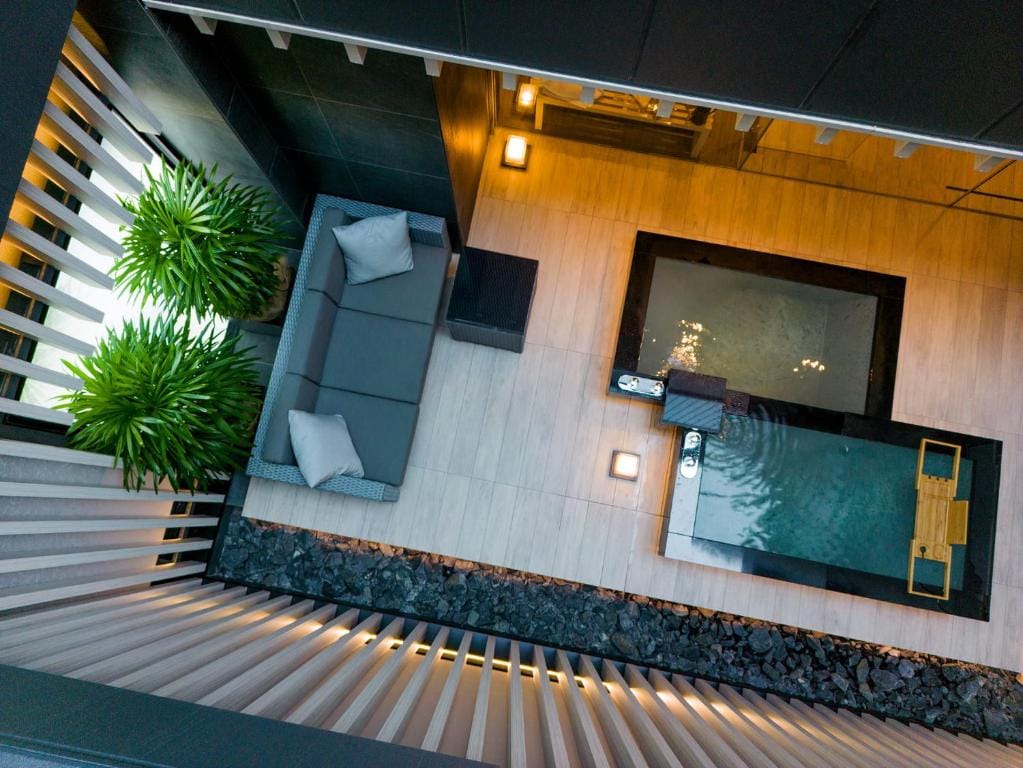 Hot tub / jacuzzi
HOTELみなと-MINATO-
City centre comfort with spa baths and a private open-air bath
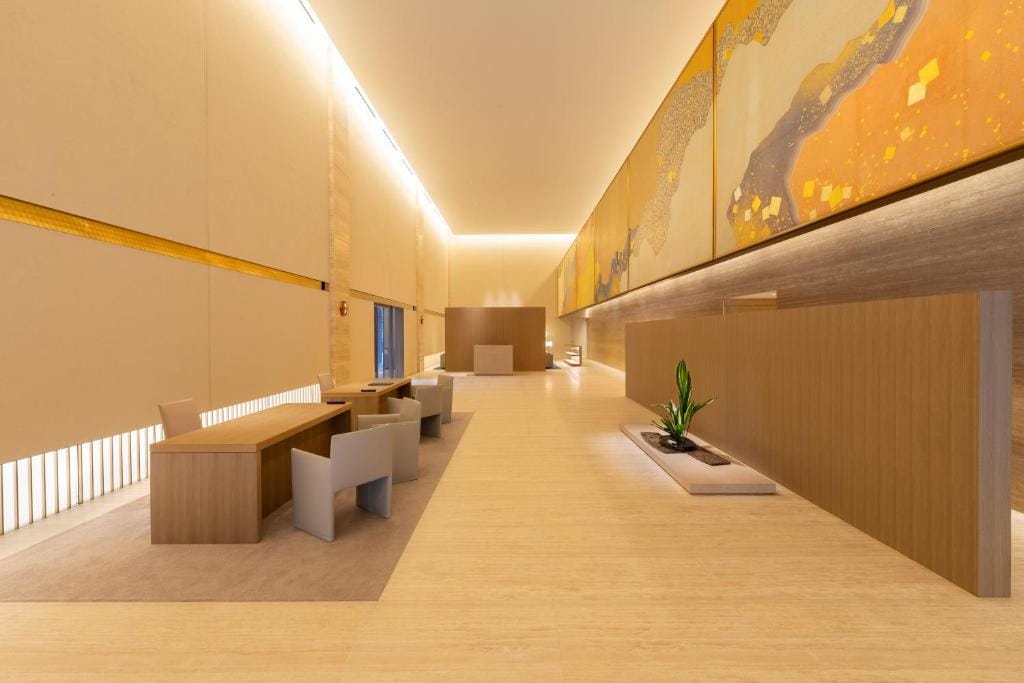 Indoor pool
The Okura Heritage Tokyo
Elegant rooms, extensive spa, and an indoor pool in the heart of Tokyo
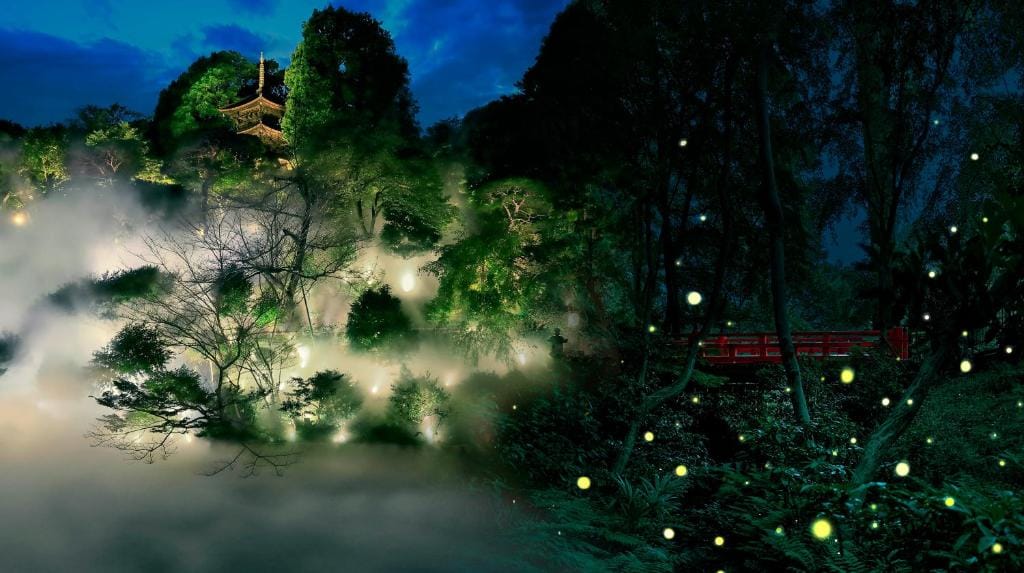 Indoor pool
Hotel Chinzanso Tokyo
Luxury hotel with a historic garden, indoor pool, and hot springs
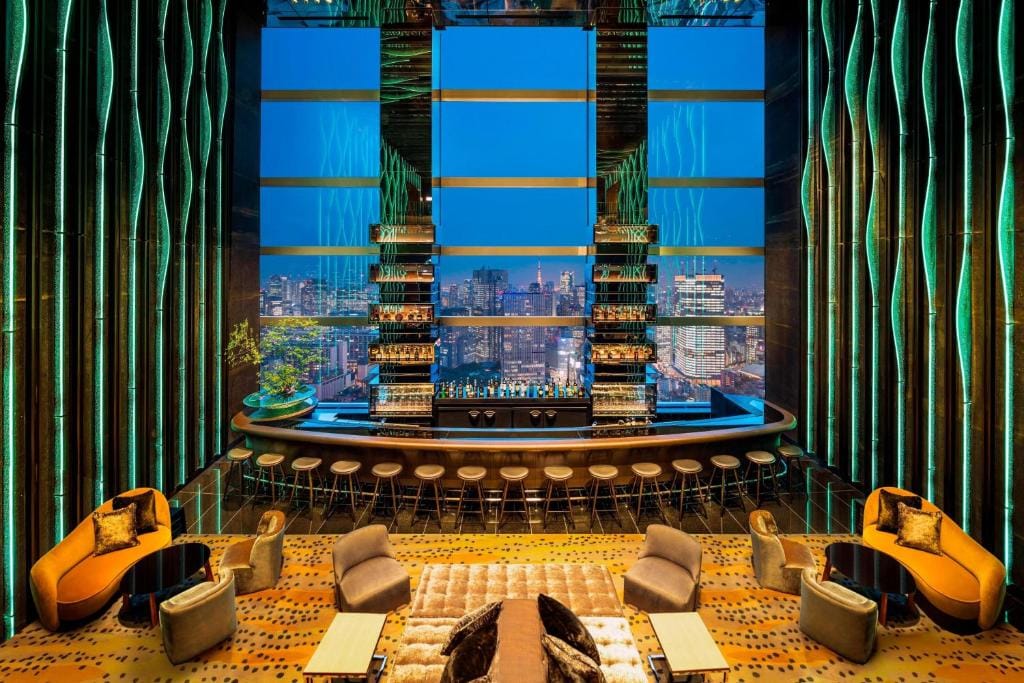 Indoor pool
The Prince Gallery Tokyo Kioicho, a Luxury Collection Hotel
Luxury Tokyo hotel with an indoor pool and direct metro access
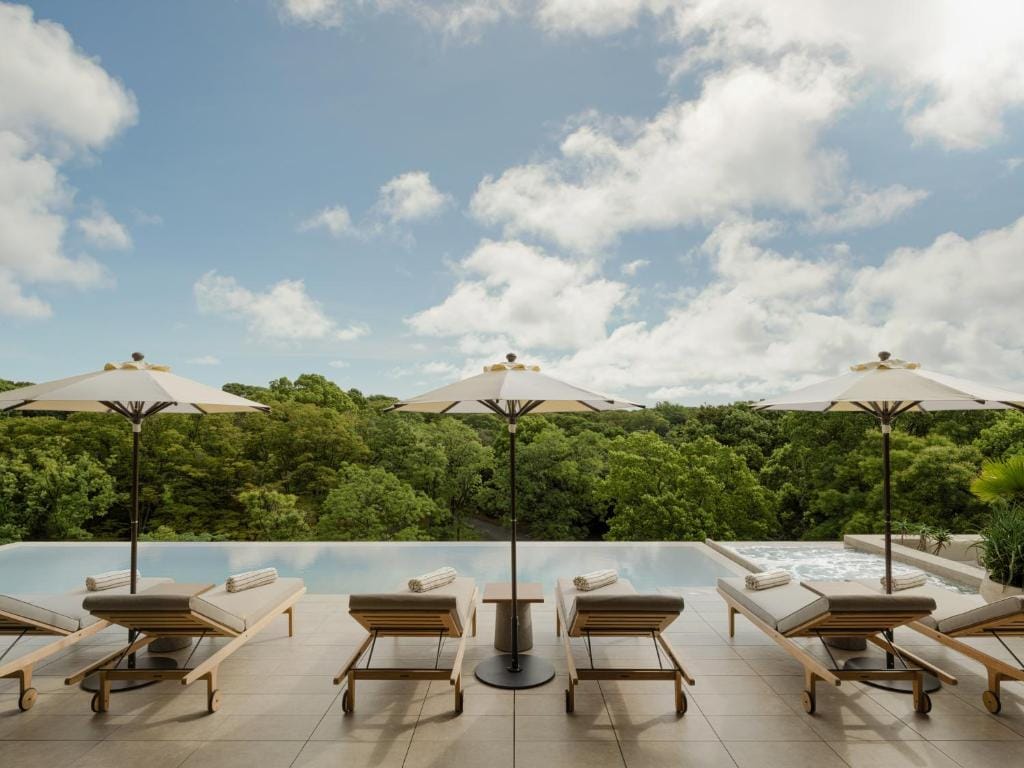 Rooftop pool
TRUNK(HOTEL) YOYOGI PARK
Rooftop pool and hot tub with balconies overlooking the city
What to expect
- Asakusa's Senso-ji temple and Nakamise shopping street, the most traditional stretch of central Tokyo.
- The JR Yamanote loop line and Tokyo Metro network, covering nearly every neighborhood with a Suica or Pasmo card.
- Shinjuku and Shibuya for nightlife, department stores and two of the world's busiest train stations.
- Historic gardens in Bunkyo, including the grounds around Hotel Chinzanso Tokyo, a short ride from central hotels.
Local tips
- Buy a Suica or Pasmo IC card on arrival at Haneda or Narita; it covers trains, buses and most convenience stores.
- Book hotels in Toranomon, Kioicho or Marunouchi for easy access to Tokyo Station and the business district; choose Shinjuku or Shibuya for nightlife and shopping.
- Visit in late March or early April for cherry blossoms, but expect the busiest hotel rates and the most crowded parks of the year.
- Plan around August's heat and humidity with indoor activities and hotel pools rather than long days outdoors.
- Haneda Airport sits closer to central Tokyo than Narita; factor in the extra transfer time if your flight lands at Narita.
Where to stay
FAQ
What are the best neighborhoods to stay in Tokyo?
Shinjuku suits first-time visitors thanks to its transport links and nightlife, Shibuya works well for shopping and youth culture, Ginza and Marunouchi are closer to Tokyo Station for business travel, and Asakusa keeps visitors close to the city's most traditional streets and temples.
What types of hotels does Tokyo offer?
Options range from international five-star towers in Marunouchi and Toranomon to compact business hotels near major stations, boutique properties in quieter wards like Minato, and even capsule hotels for a single night between flights or trains.
When is the best time to visit Tokyo?
Late March and early April bring cherry blossoms but also the highest hotel rates and crowds; autumn, from October to November, offers milder weather and fewer visitors; summer is hot and humid, and winter is cold but usually dry and sunny.
How do visitors get around Tokyo?
Between the JR Yamanote loop line and the Tokyo Metro and Toei subway networks, almost every neighborhood is covered, and a single Suica or Pasmo IC card works across all of them plus buses and many shops, making a rental car unnecessary for most stays.